

Summer tailoring · Est. 1972
Linen ortropical wool
Two right answers for a Texas summer. They are not interchangeable, and the difference shows by two in the afternoon.
Tropical wool is the safer summer suit; linen is the cooler one. Tropical wool runs about 7.5 ounces, roughly half a winter cloth, resists wrinkling and holds a formal line. Linen breathes better and wrinkles freely. The Man’s Shop fits both in Arlington, Texas.
Why ordinary suiting fails here
Built for London, worn in Arlington
Worsted wool was developed for a climate that never sees 105 degrees with humidity behind it. It traps heat against the body, and by mid-afternoon everyone can tell.
Summer cloth solves this through weight and weave rather than any single clever fibre. Tropical wool runs around 7.5 ounces, roughly half a standard winter cloth, and is woven with more space between the threads so air moves through it.
That open weave is the part most men miss. Weight alone is not the answer — a tightly woven light cloth still traps air. What you want is a cloth you can hold to the window and see daylight through.
Natural fibres also beat synthetics here, and it is not close. Polyester blends hold heat and odour, and both become obvious by the afternoon.
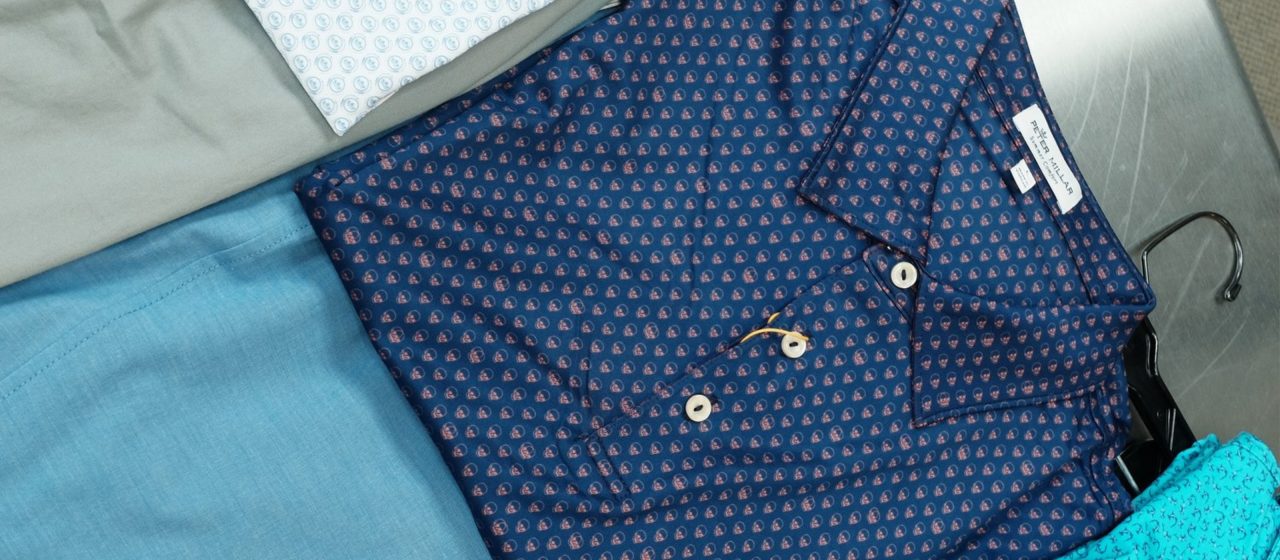
The comparison
Linen vs tropical wool
- Tropical wool — how it wears
- Around 7.5 ounces, open weave, and it holds its shape through a working day. Resists wrinkling far better than linen and drapes properly, which is why it reads as a real suit rather than a summer compromise.
- Tropical wool — where it belongs
- Courtrooms, boardrooms, client meetings, and anywhere the room is conservative. It is also the more versatile of the two: in an air-conditioned building it works most of the year.
- Linen — how it wears
- Flax fibre, hollow in cross-section, which absorbs moisture and releases it into the air. That is a genuine cooling effect rather than a marketing line. It softens with every wearing and wrinkles the moment you sit down.
- Linen — where it belongs
- Weddings, garden parties, the coast, creative offices, and any Saturday. If wrinkles bother you, this is not your cloth — and that is worth knowing before you order rather than after.
- Owning both
- The common answer among men who wear tailoring all summer. Tropical wool Monday to Friday, linen at the weekend and for anything outdoors.
Color
What works in the sun, and what does not
- Tan, stone and cream
- The summer palette that actually reflects light rather than absorbing it. A light cloth in strong sun measurably cools compared with a dark one.
- Light blue
- A fresh alternative to navy that still reads professional. Photographs well outdoors, which matters if the event is a wedding.
- Soft sage and olive
- Color without shouting. Sits particularly well against Texas light and against most complexions.
- Navy
- Still correct in summer, especially in tropical wool. The safe answer when the room is conservative.
- Black
- Save it for evening. In daylight a black suit absorbs heat and reads heavy and slightly funereal.
- Shirts and ties
- White and light blue shirts keep the whole look bright. Cotton or knitted silk ties sit better with summer cloth than heavy winter silk.
Construction
Four choices that change how hot you are
Unlined or half-canvas
Removing the internal padding and lining takes real heat out of a jacket. The trade is a slightly softer line, which most men prefer in summer anyway.
Higher armholes
Counter-intuitive, but a higher armhole means less fabric bunching under the arm and more air moving. It also lets the jacket stay put when you move.
Working sleeve buttonholes
Genuinely functional in July. Being able to open a cuff matters more than it sounds.
Cut for the man, not the average
A jacket that fits properly lets air circulate. One that is too large traps warm air against you — the opposite of what everyone assumes.
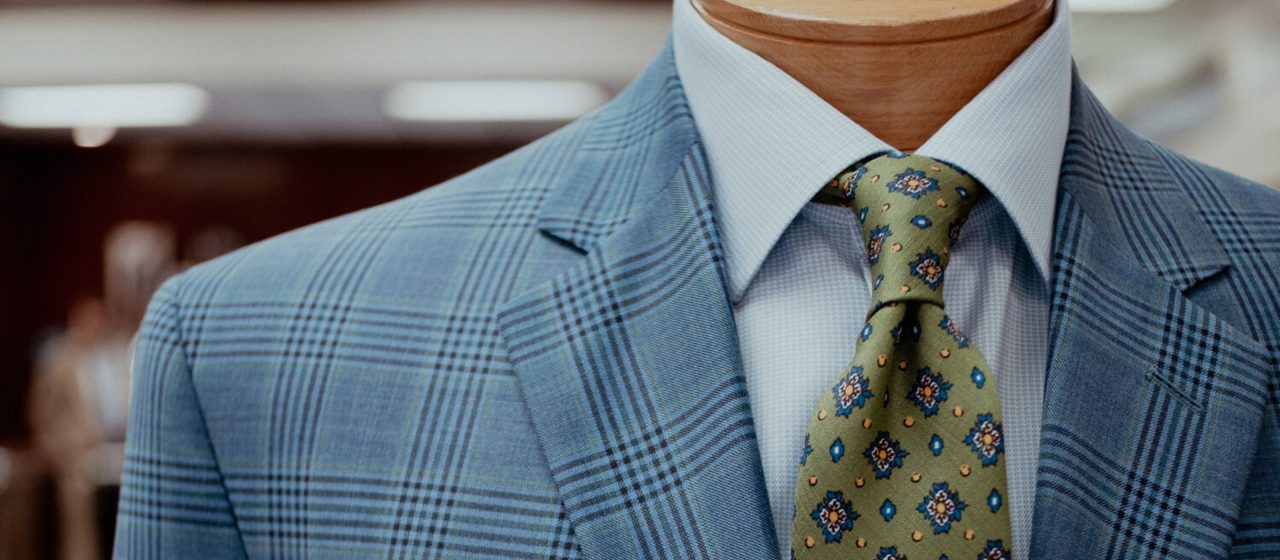
Timing
Order in spring, wear it in May
Custom takes four to six weeks. Ordering in March or April means the suit is hanging in your closet before the first genuinely hot week.
Ordering in July means suffering through the hottest stretch of the year while you wait, which is the most common mistake we see. Summer cloth is also better stocked earlier in the season.
If you have a date — a wedding, a conference, a trip — tell us at the appointment and we will work backwards from it and tell you honestly whether it can be done.
Common questions
Summer tailoring, answered
Is linen or tropical wool better for a Texas summer?
Tropical wool is the safer choice and linen is the cooler one. Tropical wool runs about 7.5 ounces, resists wrinkling, and holds a formal line for business settings. Linen breathes better and cools more effectively, but it wrinkles freely. Many men who wear tailoring all summer own both.
What weight should a summer suit be?
Around 7.5 ounces for tropical wool, which is roughly half the weight of a standard winter cloth. Weight alone is not the whole story though — the weave matters as much. An open weave with visible space between the threads moves air; a tightly woven light cloth still traps it.
Does linen wrinkle too much to wear to work?
It depends on your workplace and your tolerance. Linen creases the moment you sit down and that is inherent to the fibre, not a fault. For conservative offices, courtrooms, and client meetings, tropical wool is the better answer. For creative offices and anything outdoors, linen’s relaxed look is part of the appeal.
What color suit is best for summer in DFW?
Tan, stone, and cream reflect sunlight rather than absorbing it, and light blue offers a fresh alternative to navy. Navy still works well in tropical wool. Save black for evening — in daylight it absorbs heat and reads heavy.
Should a summer jacket be unlined?
Unlined or half-canvas construction removes a meaningful amount of heat from a jacket by taking out the internal padding. The trade-off is a softer line, which most men prefer in summer regardless. We will show you both at your appointment so you can see the difference before deciding.
When should I order a summer suit?
March or April. Custom takes four to six weeks, so ordering in spring means the suit is ready before the first genuinely hot week in May. Ordering in July means waiting out the hottest stretch of the year.
Before the heat arrives
Book with Patrick or Austin
Four to six weeks from appointment to collection. Order in spring and it’s ready in May.
100 S. West Street, Arlington, Texas 76010
Mon–Sat 10am–5pm · Closed Sunday
(817) 265-1116